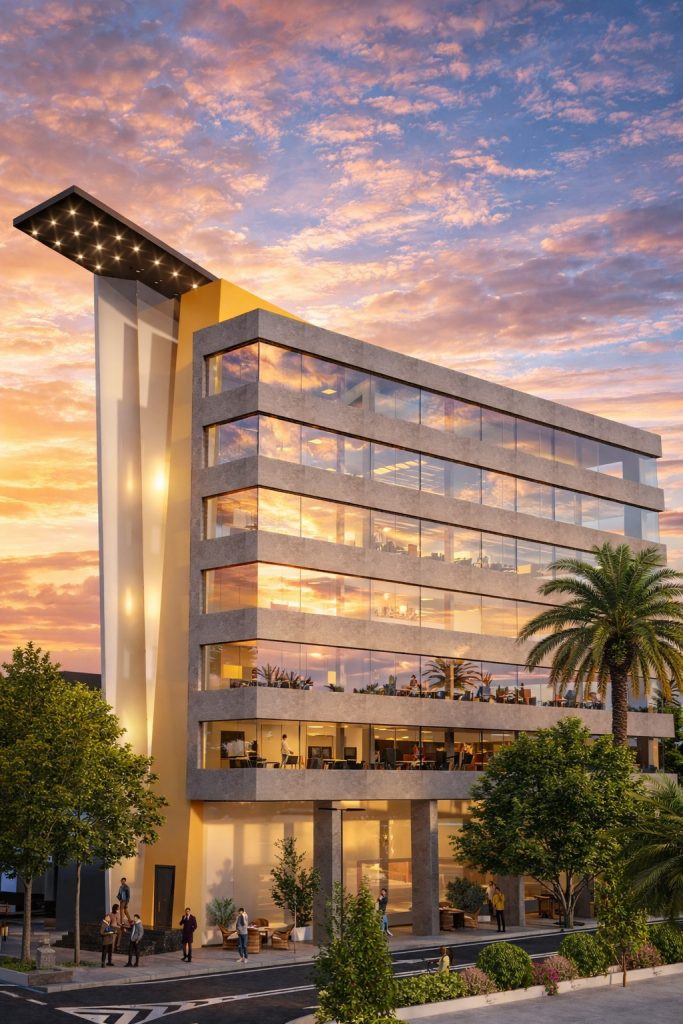
Buying commercial property in Pakistan is a significant financial decision. The numbers involved are larger than most residential purchases, the legal landscape is more complex, and the consequences of a poor decision take much longer to fix. A shop or office that looks promising in a brochure can turn into a years-long headache if the right checks aren’t done before signing.
The good news is that most problems in commercial real estate in Pakistan purchases are avoidable. They happen because buyers move too quickly, trust too much in marketing materials, or skip verification steps that feel tedious but are genuinely important. This checklist covers what to check, what to ask, and what to walk away from before buying any commercial unit in Pakistan.
Legal Checks for Buying Commercial Property in Pakistan
This is the starting point for any commercial property purchase in Pakistan. Before anything else, the legal status of the land and the building needs to be clear and confirmed in writing.
Check the Title Deed
The seller or developer must produce an original title deed showing clear ownership. Any discrepancy in the chain of ownership is a red flag. Have a property lawyer review the deed before you proceed. This is not optional.
Confirm NOC and Approval Status
Commercial buildings in Lahore require a No Objection Certificate from the Lahore Development Authority or the relevant authority for the zone. Ask specifically for the approved building plan and the NOC. If the developer can’t produce these on request, stop the process until they can.
Check for Encumbrances
An encumbrance is any legal claim, mortgage, or liability attached to the property. A property with an existing bank loan against it, a dispute, or a government acquisition notice is not a clean purchase. Ask for a property search certificate from the relevant registration authority to confirm the title is free of encumbrances.
Evaluate the Developer’s Track Record
In Pakistan’s commercial real estate market, the developer’s history matters as much as the property itself. A well-located unit from a developer who doesn’t deliver on time, or at all, is a bad investment regardless of the numbers on paper.
Ask these questions directly. Has the developer completed previous commercial projects? Can you visit a completed building they developed? Do their previous buyers speak positively about the experience? Are possession timelines from previous projects verifiable?
Developers with a completed track record will answer these questions easily. Those without one will deflect or change the subject. That pattern tells you what you need to know.
Location Factors for Buying Commercial Property in Pakistan
Location in commercial real estate is not just about which area of the city you’re in. It’s about the specific position of the building, the road it faces, what surrounds it, and what the area looks like at different times of day.
Visit at Multiple Times
Visit the site in the morning, afternoon, and evening on different days. A commercial area that’s active during business hours but deserted by 7pm may not work for certain businesses. Parking availability, access ease, and road congestion all look different at different times. What you see at 11am on a Tuesday is not the full picture.
Check Surrounding Infrastructure
What is already built and operational nearby? Established businesses, institutions, and high-footfall venues nearby add genuine commercial value. A building near Expo Center Lahore in Johar Town, for example, benefits from consistent professional activity throughout the year. A building in a zone where surrounding plots are still undeveloped carries more location risk.
Assess Accessibility
Can your potential tenants and their clients reach the location easily from different parts of the city? Is it near a main road? Is parking available? For IT companies and professional businesses, employee commute and client access are practical daily concerns that affect whether they choose your unit or someone else’s. Our guide on modern office space in Lahore covers what businesses specifically look for in location.
Inspect the Building’s Infrastructure
A commercial building’s infrastructure directly determines the quality of tenants it attracts and how long they stay. Poor infrastructure leads to high vacancy and low yields. This is worth checking in detail before committing.
- Internet connectivity – which ISPs serve the building, is fiber available, is there a backup option?
- Power backup – does the generator or UPS cover the entire floor or only common areas?
- Air conditioning – centralized system or does each unit need its own installation?
- Lift access – how many lifts, what’s the capacity, is there a backup if one fails?
- Security systems – CCTV, access control, guard presence at building level
- Parking – how many spaces, is it covered, how is it allocated between tenants?
For any commercial unit you’re buying as an investment, run this list against what the developer confirms in writing. Verbal promises about infrastructure don’t hold up when there’s a dispute later.
Understand What You’re Getting at Handover
This is where a lot of buyers get surprised. The question is not just what the unit looks like in the render – it’s what condition it will be in when you actually receive possession.
Is it a bare shell or a fitted unit? A bare shell means you or your tenant will need to spend additional money on flooring, electrical fittings, internet cabling, interior walls, and everything else before the space is usable. A plug and play unit is ready to occupy immediately. These are very different products at very different effective costs, even if the per-square-foot price looks similar.
Ask for a detailed handover specification in writing. This should list exactly what is included at possession – flooring type, ceiling treatment, electrical points, internet connection, AC system, washroom fittings, and any furniture or built-in elements. If the developer doesn’t have a written specification, that’s a problem.
Review the Payment Plan and Total Cost of Ownership
Commercial property payment plans in Pakistan vary considerably. Understanding the full financial picture before signing protects you from surprises later.
Booking Amount and Installment Structure
Most new commercial projects in Lahore offer payment plans with a 20 percent booking amount, monthly or quarterly installments over 24 to 36 months, and a final amount due at possession. Understand exactly what percentage is due at each stage and confirm these terms are written into the sales agreement.
Additional Charges
Some developers charge additional amounts that aren’t reflected in the per-square-foot price. Development charges, utility connection fees, parking fees, and transfer costs can add 5 to 15 percent to the headline price. Ask specifically: what is the total amount I will pay from booking to possession, inclusive of all charges?
Penalty Clauses
What happens if possession is delayed? A reputable developer will include a penalty clause in the agreement that compensates you if they miss the stated possession date. If the developer resists including this, it’s a signal worth noting.
Get Everything in Writing
This sounds obvious but it’s the most commonly skipped step in Pakistani commercial property transactions. Verbal commitments from sales staff, promises made in meetings, and assurances given over the phone have no legal standing if a dispute arises.
Every commitment should appear in the signed agreement. The unit size, the floor, the possession date, the penalty clause, the handover specification, the total price, and the payment schedule all need to be explicitly documented. Have a lawyer review the agreement before you sign it. The cost of a legal review is trivial compared to what a problematic agreement can cost you later.
Evaluate the Investment Case
Once the legal, structural, and contractual checks are done, step back and look at the investment logic. Does this specific unit, in this specific building, in this specific location, make financial sense at the price being asked?
Calculate the expected rental yield based on current market rents for comparable units in the area. Check whether similar units in the same zone are actually renting and at what rates. Compare the yield against your alternatives. Our guide on rental yield in commercial real estate Pakistan. walks through exactly how to do this calculation.
For a broader picture of which zones in Lahore are currently delivering the best commercial investment results, our guide on commercial real estate in Lahore covers the market in detail.
FAQs
Legal verification comes first. Confirm the title deed is clear, the NOC and building approvals are in place, and there are no encumbrances on the property. Everything else matters too, but a property with a legal problem can undo even a well-priced, well-located investment.
Ask for details of previously completed commercial projects. Visit completed buildings they developed. Speak to previous buyers if possible. Check whether their stated possession timelines on past projects were met. A developer with a solid track record will welcome this due diligence
A plug and play office is a commercial unit that's fully fitted out and ready for a tenant to occupy immediately - no additional fit-out required. For investors, this matters because it reduces the time between possession and first rental income. A bare shell unit may sit vacant for months while a tenant organizes a fit-out. A plug and play unit can be leased almost immediately.
Beyond the per-square-foot price, expect development charges, utility connection fees, transfer costs, and possibly parking fees. These can add 5 to 15 percent to the total cost. Always ask for a complete breakdown of all charges from booking to possession before signing.
Calculate the expected rental yield by dividing the projected annual rent by the total purchase price. Compare this against yields available from other options in the same area. Also consider the zone's demand trajectory, the building's infrastructure quality, and the developer's track record. Our rental yield guide [internal link] covers the full calculation process.